
← All authors
1623 – 1662

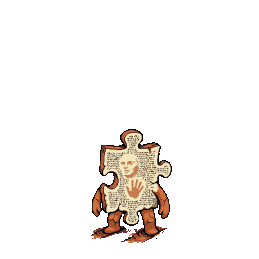
Blaise Pascal

Worth knowing

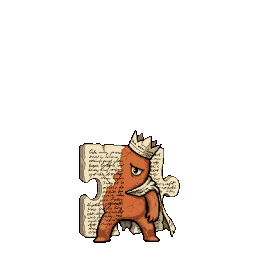
  • A French mathematician and scientist. He built a calculating machine at nineteen and worked out the beginnings of probability theory with Fermat.
  • On the night of 23 November 1654 he had an experience of God that he wrote down and sewed into his coat, where it was found after his death.
  • He was collecting notes for a defence of Christianity when he died in 1662, at thirty-nine. The notes were published as the Pensées.
  • His wager argues that a person who is unsure about God cannot avoid betting one way or the other with their life.

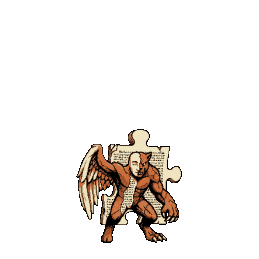
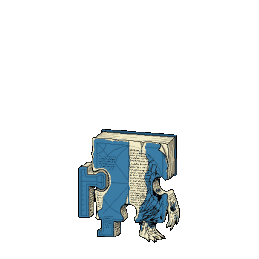
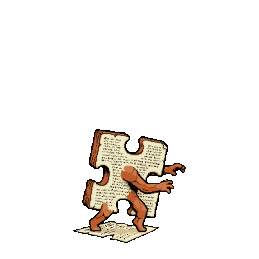
In Scholar’s Dream, Blaise Pascal has 29 books

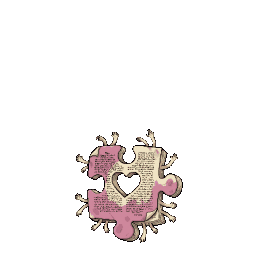
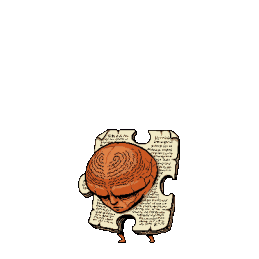
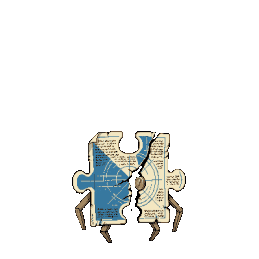
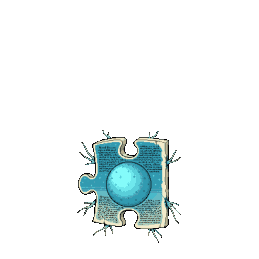
PenséesPensées — bound from fragmentsRationalityAnthropologyPenséesPensées — the whole bundleRationalityAnthropologyA Deposed KingPensées, Br. 397–398 — a fragmentAnthropologyA Man in the InfinitePensées, Br. 72 — a fragmentNatural TheologyA RemnantPensées, Br. 139 — a fragmentAnthropologyA Thinking ReedPensées, Br. 347 — a fragmentAnthropologyAll Men SeekPensées, Br. 425 — a fragmentExperienceAngel Nor BrutePensées, Br. 358 — a fragmentAnthropologyBeing MistakenPensées, Br. 241 — a fragmentRationalityCleopatra’s NosePensées, Br. 162 — a fragmentHistoryCustomPensées, Br. 89 — a fragmentAnthropologyDiversionPensées, Br. 171 — a fragmentAnthropologyExcitementPensées, Br. 139 — a fragmentAnthropologyFelt by the HeartPensées, Br. 278 — a fragmentFaithGovernmentPensées, Br. 348 — a fragmentRationalityGreatnessPensées, Br. 346 — a fragmentAnthropologyInfinite ChaosPensées, Br. 233 — a fragmentRationalityInfinite SpacesPensées, Br. 206 — a fragmentExperienceInfinite SpherePensées, Br. 72 — a fragmentNatural TheologyOne RoomPensées, Br. 139 — a fragmentAnthropologyReason’s Own EdgePensées, Br. 267 — a fragmentRationalityReasons of the HeartPensées, Br. 277 — a fragmentExperienceSelf-LovePensées, Br. 100 — a fragmentAnthropologyThe Hidden GodPensées, Br. 194 — a fragmentFaithThe Infinite AbyssPensées, Br. 425 — a fragmentNatural TheologyThe Three OrdersPensées, Br. 460 — a fragmentSpiritualityThe WagerPensées, Br. 233 — a fragmentRationalityTwo ExtremesPensées, Br. 253 — a fragmentRationalityWe Never LivePensées, Br. 172 — a fragmentAnthropology

Words Blaise Pascal’s books borrow from others

Moves these books can learn whose quotation comes from somebody else. The citation on each one names who actually said it.

“I cannot forgive Descartes. In all his philosophy he would have been quite willing to dispense with God. But he had to make Him give a fillip to set the world in motion; beyond this, he has no further need of God.”

Pascal, Pensées, Br. 77 (trans. W. F. Trotter, public domain).public domain
How it works in the game: the move I Cannot Forgive Descartes
RationalityArgument · power 88 · 100% accurate

In the gamePascal on Descartes, and he does not soften it. The whole system was built so that God could be dispensed with — kept on only long enough to flick the world into motion, and unemployed ever after.

Learned byPensées (Lv 51)

Strong against
×3The Methodan argument · why?

Pascal on Descartes, and he does not soften it: a God kept on to start the machine and never needed again.

“The eternal silence of these infinite spaces frightens me.”

Pascal, Pensées, Br. 206 (trans. W. F. Trotter, public domain).public domain
How it works in the game: the move The Eternal Silence
ExperienceArgument · power 66 · 100% accurate

In the gamePascal writes the terror down instead of answering it. The apologist most famous for a bet is also the one who admits the sky is frightening.

Learned byPensées (Lv 52)

“The last proceeding of reason is to recognise that there is an infinity of things which are beyond it. It is but feeble if it does not see so far as to know this. But if natural things are beyond it, what will be said of supernatural?”

Pascal, Pensées, Br. 267 (trans. W. F. Trotter, public domain).public domain
How it works in the game: the move Reason Knows Its Limit
RationalityArgument · power 76 · 100% accurate

In the gameNot the rejection of reason and not the worship of it. Reason’s finest act is to map its own edge — and, having found an edge in ordinary things, to expect one in the things of God.

Learned byPensées (Lv 53)

Strong against
×2.5The Essayistan argument · why?

Not "abandon reason." Reason itself, doing its last and best work: finding its own edge.

×2.5The Methodan argument · why?

His own instrument, turned to its proper end: if natural things outrun reason, what of the supernatural?

“Thought constitutes the greatness of man.”

Pascal, Pensées, Br. 346 (trans. W. F. Trotter, public domain).public domain
How it works in the game: the move The Greatness of Thought
AnthropologyArgument · power 60 · 100% accurate

In the gameSix words, and they carry the positive half of the argument. Whatever else we are, we are the thing that knows it.

Learned byPensées (Lv 54)

“They think they are truly seeking quiet, and they are only seeking excitement.”

Pascal, Pensées, Br. 139 (trans. W. F. Trotter, public domain).public domain
How it works in the game: the move Not Quiet — Excitement
AnthropologyArgument · power 64 · 100% accurate

In the gamePeople say they want rest and then arrange their lives so they never get any. Pascal takes them at their actions rather than their word.

Learned byPensées (Lv 56)

“Custom is our nature. He who is accustomed to the faith believes in it, can no longer fear hell, and believes in nothing else.”

Pascal, Pensées, Br. 89 (trans. W. F. Trotter, public domain).public domain
How it works in the game: the move Custom Is Our Nature
AnthropologyArgument · power 62 · 100% accurate

In the gameA warning aimed at his own side. Most of what a man calls conviction he got by habit, and habit will hold a false thing exactly as firmly.

Learned byPensées (Lv 58)

“What is a man in the Infinite?”

Pascal, Pensées, Br. 72 (trans. W. F. Trotter, public domain).public domain
How it works in the game: the move What Is a Man in the Infinite?
Natural TheologyArgument · power 64 · 100% accurate

In the gameAsked, not answered. Pascal leaves the question standing on purpose, because a reader who feels it will go looking.

Learned byPensées (Lv 60)

“So we never live, but we hope to live; and, as we are always preparing to be happy, it is inevitable we should never be so.”

Pascal, Pensées, Br. 172 (trans. W. F. Trotter, public domain).public domain
How it works in the game: the move We Never Live
AnthropologyArgument · power 68 · 100% accurate

In the gameThe present is the one thing nobody spends. We arrange to be happy later, permanently, and the arranging eats the life.

Learned byPensées (Lv 62)

Strong against
×2.5The Man of the Worldan argument · why?

Also on his own screen: we never live, but we hope to live — always preparing, never arriving.

“Cleopatra’s nose: had it been shorter, the whole aspect of the world would have been altered.”

Pascal, Pensées, Br. 162 (trans. W. F. Trotter, public domain).public domain
How it works in the game: the move Cleopatra’s Nose
HistoryArgument · power 68 · 100% accurate

In the gameHistory turns on things too small to plan for. Pascal uses it against every account of the past that arrives at itself by necessity.

Learned byPensées (Lv 64)

“For in him we live, and move, and have our being. As some of your own poets have said.”

Acts 17:28 (WEB) — Paul at the Areopagus, quoting the Athenians’ own poets back to them.
How it works in the game: the move Affirm
Status

In the gamePick the part of the opponent’s case that is true and affirm it. That point can no longer be used against you, and the opponent’s Defend falls sharply. It deals no damage. Affirm something false and you have only agreed with an error.

Learned byPensées (Lv 66)

“It is an infinite sphere, the centre of which is everywhere, the circumference nowhere.”

Pascal, Pensées, Br. 72 (trans. W. F. Trotter, public domain).public domain
How it works in the game: the move Centre Everywhere
Natural TheologyArgument · power 70 · 100% accurate

In the gameA figure old before he used it, turned on nature itself: whatever you measure from, you are not at the middle of it.

Learned byPensées (Lv 66)

“The only thing which consoles us for our miseries is diversion…”

Pascal, Pensées, Br. 171 (trans. W. F. Trotter, public domain). Cut before the following clause, which the public-domain scan garbles.public domain
How it works in the game: the move Diversion
AnthropologyArgument · power 72 · 100% accurate

In the gameWhy nobody sits still. We are not distracted because life is dull; we distract ourselves because sitting still means noticing what we are.

Learned byPensées (Lv 68)

Strong against
×3The Man of the Worldan argument · why?

It names his whole life — and it is the fragment on the desk behind him. The console for our miseries is diversion.

“They have another secret instinct, a remnant of the greatness of our original nature, which teaches them that happiness in reality consists only in rest, and not in stir.”

Pascal, Pensées, Br. 139 (trans. W. F. Trotter, public domain).public domain
How it works in the game: the move A Remnant of Greatness
AnthropologyArgument · power 70 · 100% accurate

In the gameThe other half of the diagnosis, and the hopeful half. The restlessness is not only a fault — it is a memory of having been made for something.

Learned byPensées (Lv 70)

Strong against
×2.5Totem and Tabooan argument · why?

Nobody wishes themselves wretched. A projection theory predicts a flattering god; it does not predict a species that keeps insisting it was once a king.

“I would have far more fear of being mistaken, and of finding that the Christian religion was true, than of not being mistaken in believing it true.”

Pascal, Pensées, Br. 241 (trans. W. F. Trotter, public domain).public domain
How it works in the game: the move The Fear of Being Mistaken
RationalityArgument · power 70 · 100% accurate

In the gameTurns the risk around. The unbeliever is not the one standing on safe ground while the believer gambles — both are exposed, and only one of the two mistakes is recoverable.

Learned byPensées (Lv 72)

“It is not from space that I must seek my dignity, but from the government of my thought… By space the universe encompasses and swallows me up like an atom; by thought I comprehend the world.”

Pascal, Pensées, Br. 348 (trans. W. F. Trotter, public domain). (trimmed quote)public domain
How it works in the game: the move The Government of Thought
RationalityArgument · power 72 · 100% accurate

In the gameSize is the wrong measure and Pascal refuses it. The universe swallows him without knowing it did; he comprehends the universe. May steady the reader’s own Defend.

Learned byPensées (Lv 74)

“There is an infinite chaos which separated us. A game is being played at the extremity of this infinite distance where heads or tails will turn up. What will you wager?”

Pascal, Pensées, Br. 233 (trans. W. F. Trotter, public domain).public domain
How it works in the game: the move An Infinite Chaos
RationalityArgument · power 70 · 100% accurate

In the gameSets the table before the bet. Neither side can reach the other by proof — and Pascal says so first, out loud, rather than pretending to a certainty he has not got.

Learned byPensées (Lv 76)

“Man is neither angel nor brute, and the unfortunate thing is that he who would act the angel acts the brute.”

Pascal, Pensées, Br. 358 (trans. W. F. Trotter, public domain).public domain
How it works in the game: the move Neither Angel Nor Brute
AnthropologyArgument · power 74 · 100% accurate

In the gameBoth halves at once, which is the whole method. Any account of us that keeps only one half has to explain away the other.

Learned byPensées (Lv 78)

Strong against
×2City of Goda book · why?

Pascal said that his account of man, wretched and great together, came from Augustine.

“There are three orders of things: the flesh, the spirit, and the will. The carnal are the rich and kings; they have the body as their object. Inquirers and scientists; they have the mind as their object. The wise; they have righteousness as their object.”

Pascal, Pensées, Br. 460 (trans. W. F. Trotter, public domain).public domain
How it works in the game: the move The Three Orders
SpiritualityArgument · power 74 · 100% accurate

In the gameBodies, minds and charity are three different kinds of greatness, and no amount of the lower ever adds up to the higher. A king is not close to being a philosopher; a philosopher is not close to being a saint.

Learned byPensées (Lv 80)

“It is the heart which experiences God, and not the reason. This, then, is faith: God felt by the heart, not by the reason.”

Pascal, Pensées, Br. 278 (trans. W. F. Trotter, public domain).public domain
How it works in the game: the move God Felt by the Heart
FaithArgument · power 76 · 100% accurate

In the gameThe definition that follows from it. Faith is not a conclusion you are argued into; it is God known by the faculty that knows persons.

Learned byPensées (Lv 82)

“You made us for Yourself, and our heart is restless until it reposes in You.”

Augustine, Confessions 1.1 (trans. Pusey, 1838, public domain, lightly modernized).public domain
How it works in the game: the move Restless Heart
ExperienceArgument · power 75 · 100% accurate

In the gameExperience, directed toward God at last — what the Coach felt in his gut, Augustine prayed onto papyrus.

Learned byPensées (Lv 84)

Strong against
×3The Absurdan argument · why?

Augustine’s line is that the heart is restless until it rests in God. It is the collision Camus describes, said fifteen centuries earlier by the man he studied for his degree, and with an answer.

×3The Man of the Worldan argument · why?

The cheerful, occupied man is restless and does not know it. The heart is restless until it rests in God.

×2Men Before Adaman argument · why?

Every people he names as older than Adam is a people with the same ache in it. One fall reaches all of them.

×2Penséesa book · why?

Pascal said that his account of man, wretched and great together, came from Augustine.

×2The Expressive Selfan argument · why?

The Romantic looks in and expects to find home. Augustine looked in and found the ache — and said nothing finite, the self included, has ever stilled it.

×2Totem and Tabooan argument · why?

Freud traces the restlessness to a child wanting its father. Augustine agreed it starts there, and said it does not stop there, because nothing finite has ever quieted it.

×2You Are Still a Manicheean argument · why?

A good thing, made restless — which is the distinction he says cannot be drawn.

“…is not a happy life what all will, and no one altogether wills it not?… And this is the happy life, to rejoice to Thee, of Thee, for Thee; this is it, and there is no other.”

Augustine, Confessions 10.20–23 (trans. E. B. Pusey, 1838, public domain).public domain

“the desire of the true good is naturally implanted in the minds of men; only error leads them aside out of the way in pursuit of the false.”

Boethius, The Consolation of Philosophy III.2 (trans. H. R. James, 1897, public domain).public domain
How it works in the game: the move Argument from Desire
Natural TheologyArgument · power 74 · 100% accurate

In the gameNobody has to be taught to want to be happy, and nothing on offer finishes the wanting. Augustine and Boethius, a century apart, both take the permanent hunger as evidence of where the food is.

Learned byPensées (Lv 86)

Strong against
×4The Absurdan argument · why?

Camus grants the hunger and the silence, and calls their collision the absurd. Augustine and Lewis take the same hunger the other way. A hunger for something the world cannot supply is one of the ordinary signs that something else supplies it. Camus wrote his university thesis on Augustine.

×4Totem and Tabooan argument · why?

Freud explains where the longing came from. He never asks the other question — whether a longing this specific, appearing in every culture, is evidence that it has an object.

×2.5Platoa book · why?

Diotima’s ladder in the Symposium climbs from one beautiful body to all of them to beauty itself, because no particular thing ever finishes the wanting. Augustine makes that argument nearly eight centuries later and grants Plato every rung of it. What a Form cannot do is come looking for you.

×2Grace as Examplean argument · why?

Augustine found that nothing he chose could satisfy him until God changed what he loved. Grace did not only teach him. It changed his heart.

×2Penséesa book · why?

Pascal said that his account of man, wretched and great together, came from Augustine.

×2The Ethics of Beliefan argument · why?

A duty to believe only on proof is itself believed without proof — the rule cannot pass its own test!

“All the unhappiness of men arises from one single fact, that they cannot stay quietly in their own chamber.”

Pascal, Pensées, Br. 139 (trans. W. F. Trotter, public domain).public domain
How it works in the game: the move Quietly in One Room
AnthropologyArgument · power 85 · 95% accurate

In the gamePascal traces every restlessness he can find back to a single inability, and states it as a diagnosis rather than a scolding.

Learned byPensées (Lv 88)

“The heart has its reasons, which reason does not know. We feel it in a thousand things.”

Pascal, Pensées, Br. 277 (trans. W. F. Trotter, public domain).public domain
How it works in the game: the move The Reasons of the Heart
ExperienceArgument · power 84 · 95% accurate

In the gameNot a licence for feeling over thinking. Pascal the mathematician is saying there is a second faculty that knows things, and that first principles arrive by it.

Learned byPensées (Lv 90)

“Man is but a reed, the most feeble thing in nature; but he is a thinking reed. The entire universe need not arm itself to crush him.”

Pascal, Pensées, Br. 347 (trans. W. F. Trotter, public domain).public domain
How it works in the game: the move A Thinking Reed
AnthropologyArgument · power 86 · 95% accurate

In the gameThe most quoted sentence Pascal wrote, and the one that holds his whole anthropology: we are crushable, and we are the only thing in the wreck that understands it.

Learned byPensées (Lv 92)

Strong against
×2City of Goda book · why?

Pascal said that his account of man, wretched and great together, came from Augustine.

“…you must wager. It is not optional. You are embarked… If you gain, you gain all; if you lose, you lose nothing. Wager, then, without hesitation that He is.”

Pascal, Pensées, Br. 233 (trans. W. F. Trotter, public domain). (trimmed quote)public domain
How it works in the game: the move The Wager
RationalityArgument · power 88 · 95% accurate

In the gameThe famous one, and it is not an argument that God exists. It is an argument that not choosing is already a choice, and that the stakes are not symmetrical.

Learned byPensées (Lv 94)

Strong against
×3The Man of the Worldan argument · why?

It cuts the polite deferral exactly as it cuts the open defiance. He must wager too.

×3The Strong Mindan argument · why?

The pose of abstention is a bet, and not the safe one. He has wagered without noticing.

×2.5The Essayistan argument · why?

He said he would stay neutral. The wager points out that neutral is a bet, and not the safe one.

Who else was alive

Blaise Pascal against everyone else in the game.

A.D. 450A.D. 700A.D. 950A.D. 1200A.D. 1450A.D. 1700A.D. 1950
Solid bar = firm dates · faded = approximate51 authors sit outside this window
What Would Jesus Tech

Helping Christians use tech, find rest, and glorify God.

Listen
All Episodes
Explore Topics
Apple Podcasts
Spotify
About
The Hosts
Speakers
Books
Scripture
Scholar's Dream Game
Contact
Patreon
© 2026 What Would Jesus Tech · whatwouldjesustech.com·